Smart Beginnings, Trustworthy Future | Bamboocloud Launches New AI Products to Build Digital Trust Infrastructure for the AI Era
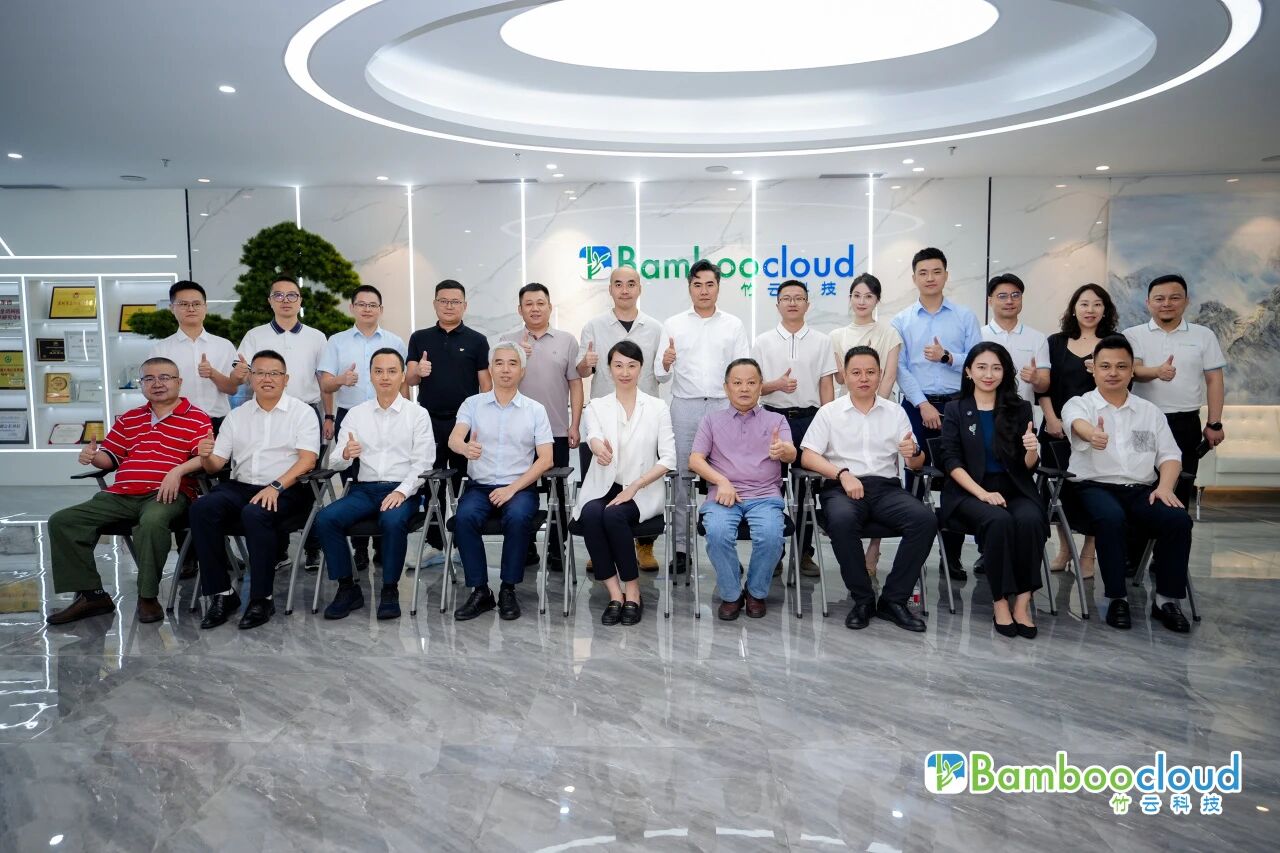
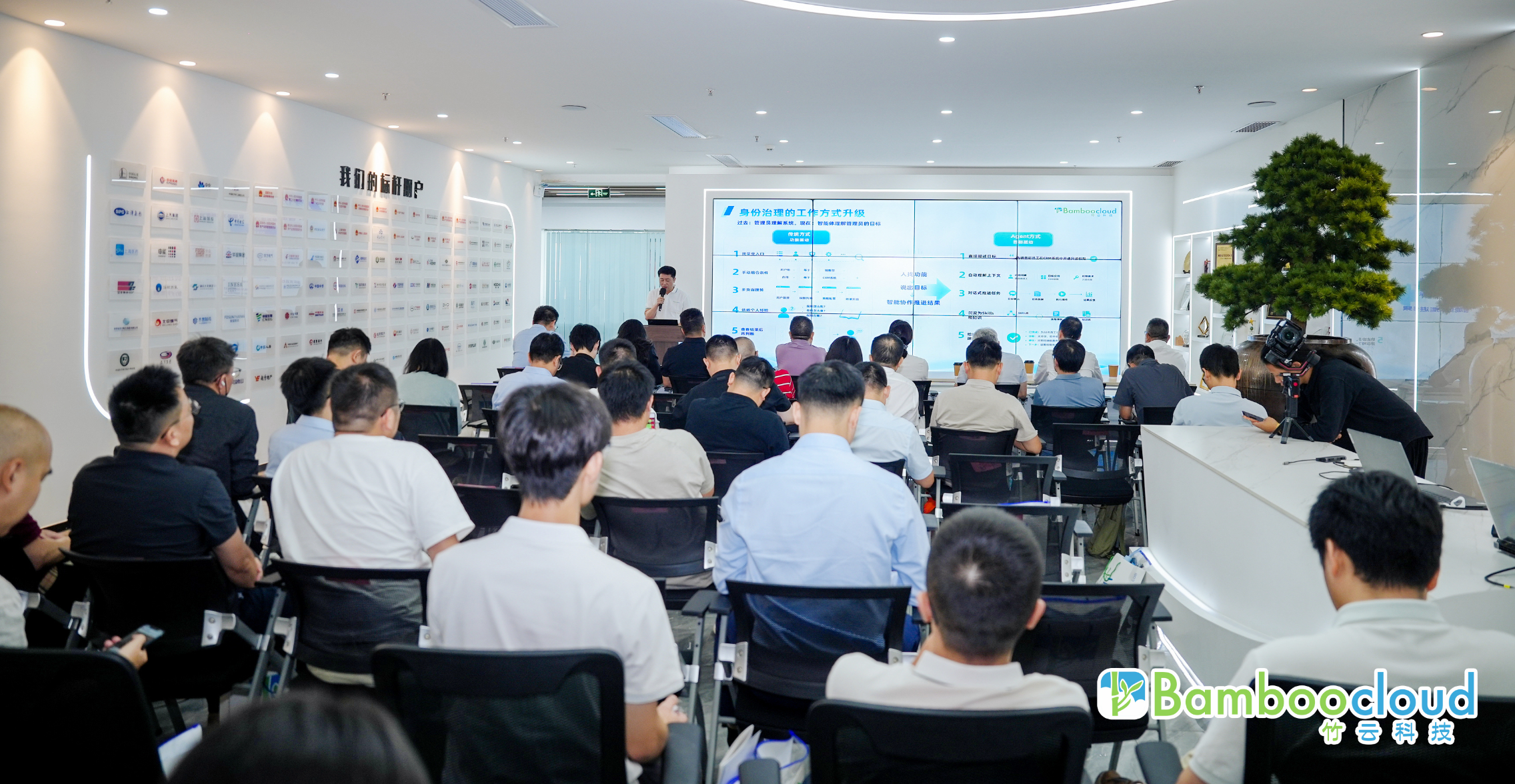
On July 17, Bamboocloud held its "Building Digital Trust Infrastructure for the AI Era" new product launch event at the company's headquarters in Shenzhen, officially releasing four AI agent products – AIAM, IAM Agent, Trust Agent, and Operation Agent – establishing a comprehensive AI digital trust governance matrix covering "Visible, Trustworthy, Manageable, and Controllable" capabilities.
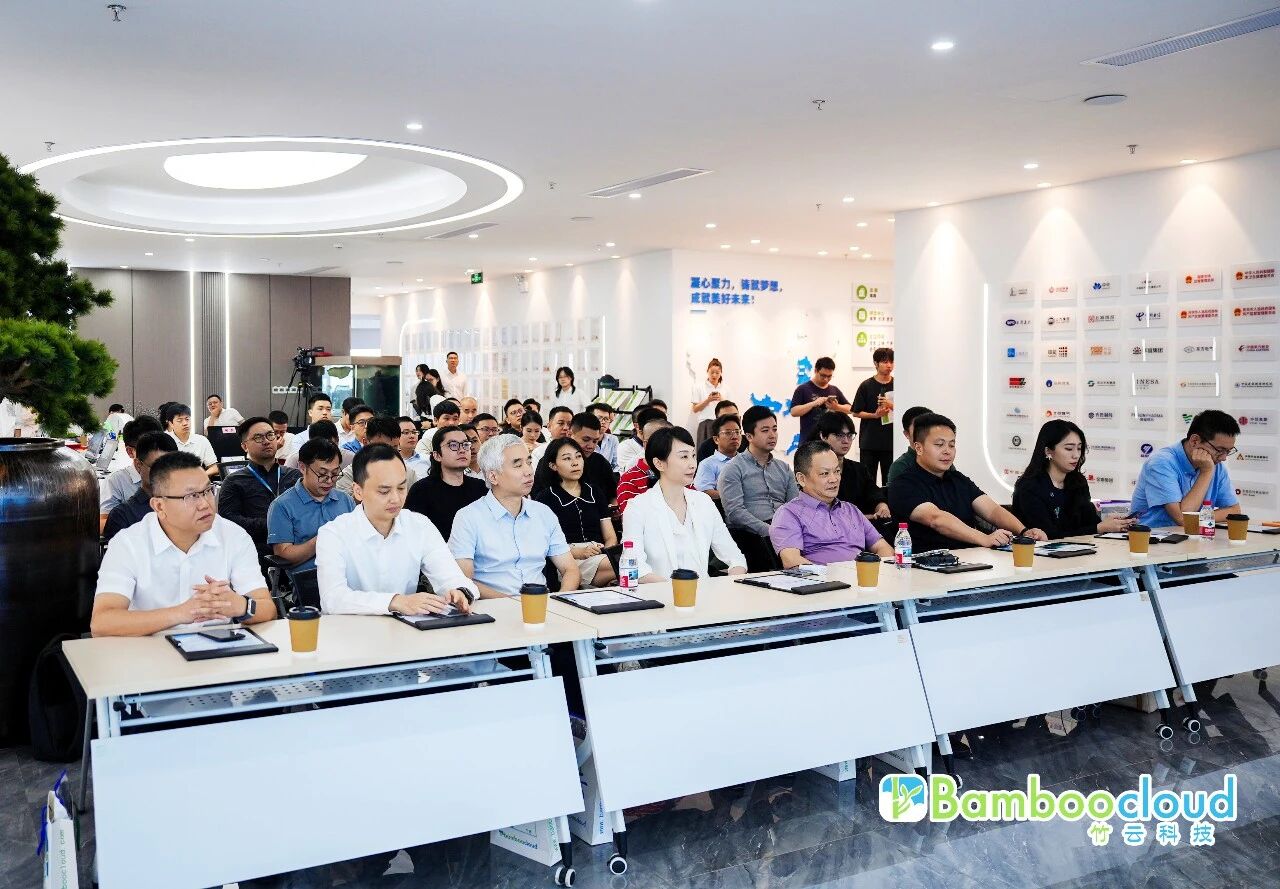
This new product launch marks a significant milestone for Bamboocloud's next-generation IAM system, which has now built a full-spectrum identity framework covering "humans, machines, things, and agents," positioning it as an indispensable digital trust foundation for human-machine collaboration and trusted operations in the AI era.
Around topics such as digital trust in the AI era, agent governance, and standards development, participating guests engaged in in-depth exchanges and reached a consensus: amid the rapid expansion of the AI industry, a robust digital trust system is the critical foundation for ensuring compliant and stable operation of intelligent business processes. It not only effectively mitigates risks such as agent privilege escalation, data breaches, and untraceable actions but also provides core assurance for building a trustworthy, controllable, and sustainable AI development ecosystem.
Large-Scale Deployment of AI Agents Makes Trust Governance a Top Industry Priority
Over the past year, the global focus of AI development has shifted significantly from large language models and chatbots toward AI agents capable of autonomous planning, tool invocation, and cross-system task execution. These agents can independently break down complex goals, call external tools, browse the web, directly operate software, run underlying code, and deeply interact with various digital systems to complete end-to-end closed-loop tasks.
Looking at the current global deployment landscape, security vulnerabilities are becoming increasingly prominent:
The Cyber 2026 Report, jointly released by Notable Capital (a venture capital firm managing $5 billion) and Morgan Stanley, based on in-depth surveys of nearly 150 CISOs and security executives, points out that the rapid rise of AI agents has become one of the greatest concerns facing the cybersecurity industry today.
According to JPMorgan's industry report from June 2026, 71% of enterprises have already deployed AI agents in production environments, but only 11% have mature security protection systems for agents. A joint study by Stanford University and MIT further confirms that over 90% of deployed AI toolchains contain security vulnerabilities. Research from the China Academy of Information and Communications Technology indicates that 82% of enterprises have not yet established comprehensive security control mechanisms adapted to AI agents. As agents gradually replace humans in resource invocation, business decision-making, and even transaction operations, clearly defining identity attribution, delineating operational boundaries, and verifying runtime trustworthiness have become three essential prerequisites for large-scale AI deployment.
In her opening address, Dong Ning, Chairman of Bamboocloud, pointed out that AI is fully entering the age of agents, and the explosive growth of non-human identities brings unprecedented risks of security loss of control. From science fiction films to the real world, warnings about agent are no longer distant imagination but imminent challenges.
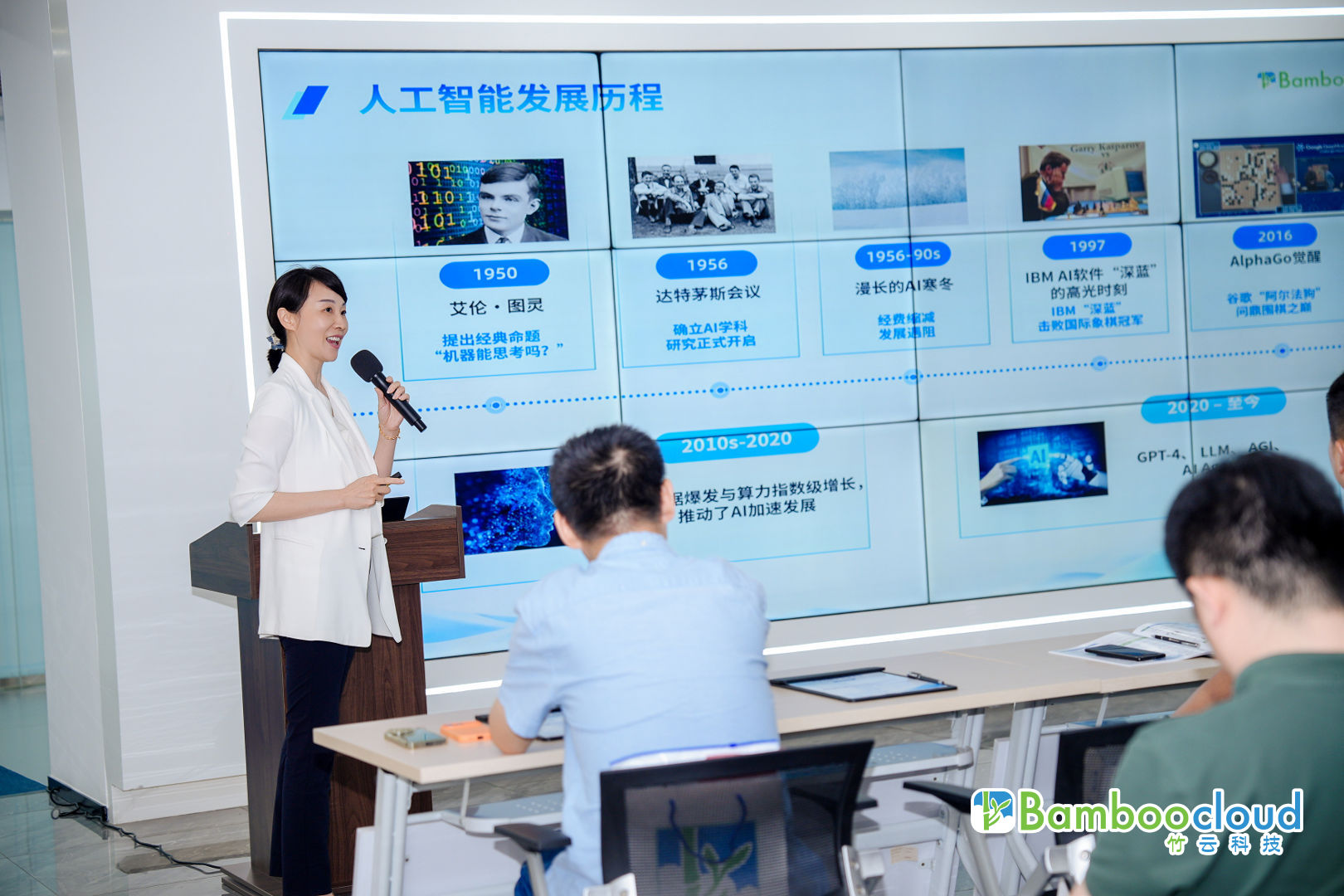
This stark reality is rapidly resonating strongly across capital markets and the industry. Just as financial markets often lead the real economy, venture capital and private equity firms have become "leading indicators" of the strategic importance of technology. JPMorgan's latest report from June 2026 explicitly states that artificial intelligence is both the greatest threat and the most powerful defense in cybersecurity today. With the sharp increase in AI-related vulnerabilities, solutions related to AI agent security and governance are becoming the most concentrated focus of venture capital. In 2025, global cybersecurity startup funding reached as high as $11.5 billion, the highest level since 2022, fully highlighting market consensus on the immense opportunity and urgency in this space.
The keen instincts of capital giants further validate this trend. Vinod Khosla, co-founder of Sun Microsystems and founder of Khosla Ventures, deeply recognizes the criticality of robust governance for agents and non-human identities (NHI). Not only has he heavily backed the NHI governance platform Runlayer, but he also personally participated in its $30 million Series A funding round in June 2026, explicitly stating his desire to take the entire available allocation, demonstrating his extreme optimism for this sector.
Without strong identity governance, every new type of agent introduced into a system could become a potential out-of-control actor. CIOs, CISOs, and other technology executives have all elevated identity and access management (IAM) for AI agents to a top strategic priority.
Four Agents Synergize Across the Entire Spectrum to Form a Complete Governance Loop
AIAM (AI Identity and Permission Control Hub) + Operation Agent (Intelligent Diagnostic Operations and Maintenance Agent)
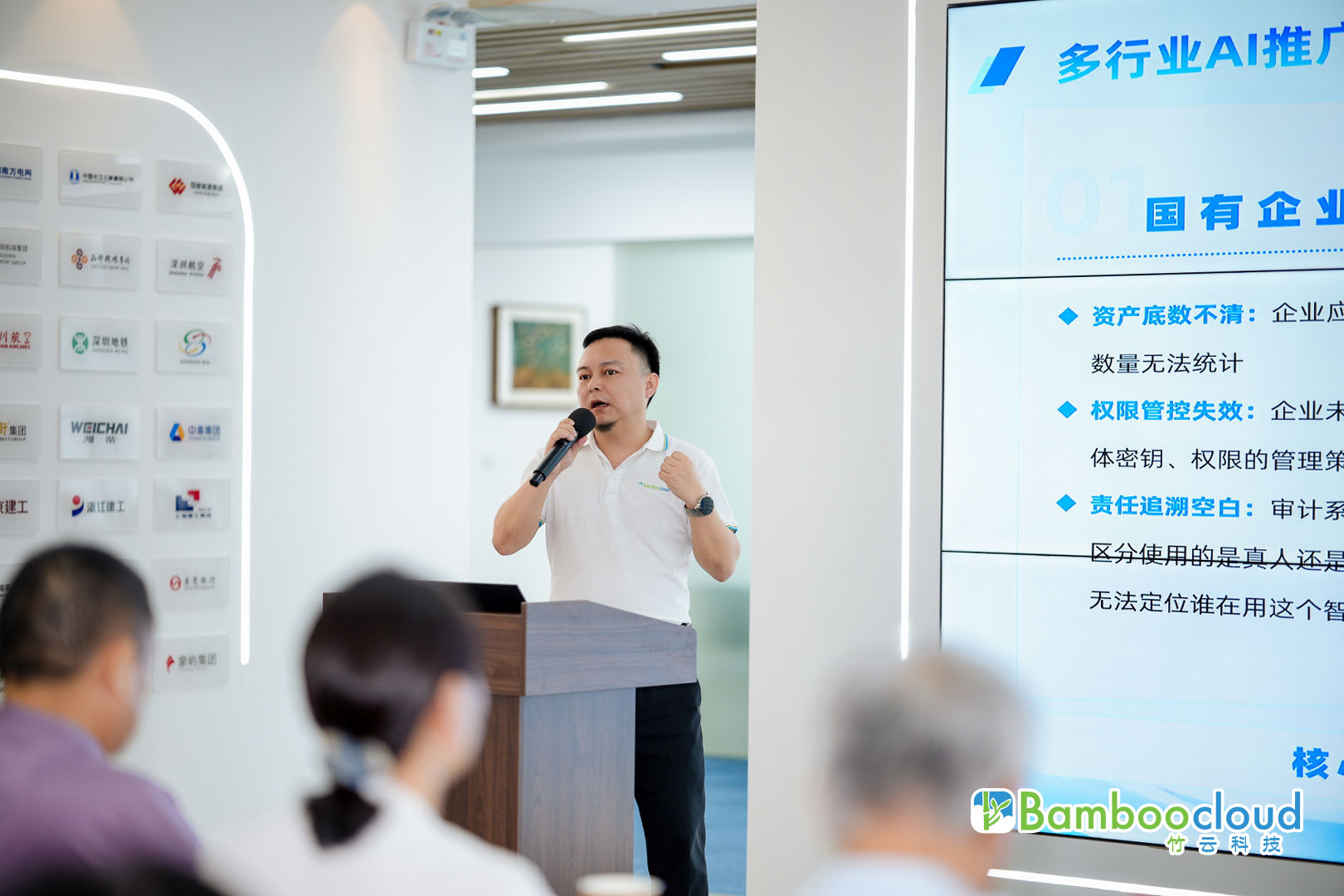
With the large-scale proliferation of AI agents, the number of non-human identities is growing exponentially. IAM systems designed for natural persons have generational shortcomings, including blind spots in derivative identity management, rigid static permissions, and lack of traceability for accountability. They are unable to cope with new security risks such as agent goal hijacking, permission abuse, and operation. Market demand for AI agent identity governance infrastructure continues to rise. AIAM, as a next-generation governance foundation suited for the AI era, centers on integrated identity governance of "humans + non-humans" and builds a comprehensive control system around four core capabilities: Visibility, Trustworthiness, Manageability, and Controllability. It can universally manage personnel, devices, various AI agents, and supporting tool assets across the entire domain. Through panoramic identity mapping, trusted access registration, dynamic permission scheduling across the full lifecycle, and full-chain risk interception and auditing, it closes governance gaps. It natively supports heterogeneous agents and seamlessly integrates with traditional IAM, Zero Trust, and privileged access management systems with zero modification. Paired with the Operation Agent intelligent O&M diagnostic engine, it delivers 24/7 proactive inspections, root cause diagnosis, and automated self-healing, forming a complete closed loop from identity registration and permission assignment to runtime monitoring and risk remediation. This addresses core pain points such as unclear AI asset inventories, out-of-control permissions, and untraceable incidents, providing standardized identity security support for large-scale agent deployment across industries.
IAM Agent (IAM Identity and Access Control Agent)
Bamboocloud's IAM platform already possesses mature governance capabilities including unified identity management, fine-grained permissions, full-chain auditing, and multi-scenario access control. As enterprise identity governance architectures grow increasingly complex, system administrators require more efficient and rapid ways to leverage IAM's powerful capabilities to handle and resolve daily issues, lowering the learning and operational barriers.
IAM Agent is a dedicated natural language agent tailored for digital identity governance scenarios. Leveraging the underlying IAM capability foundation, it builds a role-based professional expert system for four high-frequency roles: employees, identity administrators, audit administrators, and application administrators. It allows users to describe business objectives directly in natural language, with the agent automatically performing intent parsing, task decomposition, function orchestration, execution, and result feedback. It covers high-frequency O&M scenarios such as personnel permission configuration, group-wide risk insights, and high-risk account remediation. It also supports full-dimension visual management of models, skills, interfaces, and logs, enabling customizable configuration, extensible capabilities, observable operations, and auditable activities. This agent does not replace the IAM system but lowers the operational threshold of identity governance through conversational interaction, simplifying complex permission and risk remediation processes and improving efficiency. It reduces user operational burden, enhances identity governance productivity, and ensures full-process audit trails and governance experience accumulation, fully unleashing the capabilities and value of Bamboocloud's IAM in enterprise-wide identity security control.

Trust Agent (Zero Trust Risk Protection Agent)
As AI technology scales deeply into operations, Zero Trust security has formally entered a new phase of AI agent-centric autonomous defense. The industry's development path has evolved from standardization awareness and foundational architecture deployment to building self-evolving protection capabilities powered by AI in the next-generation Zero Trust stage. Trust Agent covers all types of digital identities including humans, machines, things, applications, and agents. It integrates machine learning, large language models, and proprietary anomaly detection algorithms to autonomously construct multi-dimensional dynamic behavioral baselines for entities. It aggregates multi-source data across the entire domain – identity logs, network access behavior, privileged operation behavior, and agent runtime behavior – to perform correlated risk analysis and precise tiered noise reduction. Through visual policy orchestration linking IAM, PAM, Zero Trust gateways, and other security components, it enables automated graded risk response, creating a self-contained security loop integrating anomaly awareness, multi-dimensional analysis, full-chain traceability, and graded control. The product effectively fills the new identity security governance gaps arising from large-scale AI agent deployment, upgrading the identity security system from traditional static rule-driven, manual operation models to an intelligent, continuously self-iterating defense architecture, laying a trustworthy and controllable foundational identity security layer for digital and intelligent transformation across industries.

Industry Standards and Ecosystem Development Progress in Parallel
At the launch event, Xu Yuguang, Principal Researcher at the Shenzhen Standard Technology Research Institute, delivered a keynote presentation titled "AI Standardization Development Research & Challenges and Opportunities Facing IAM."
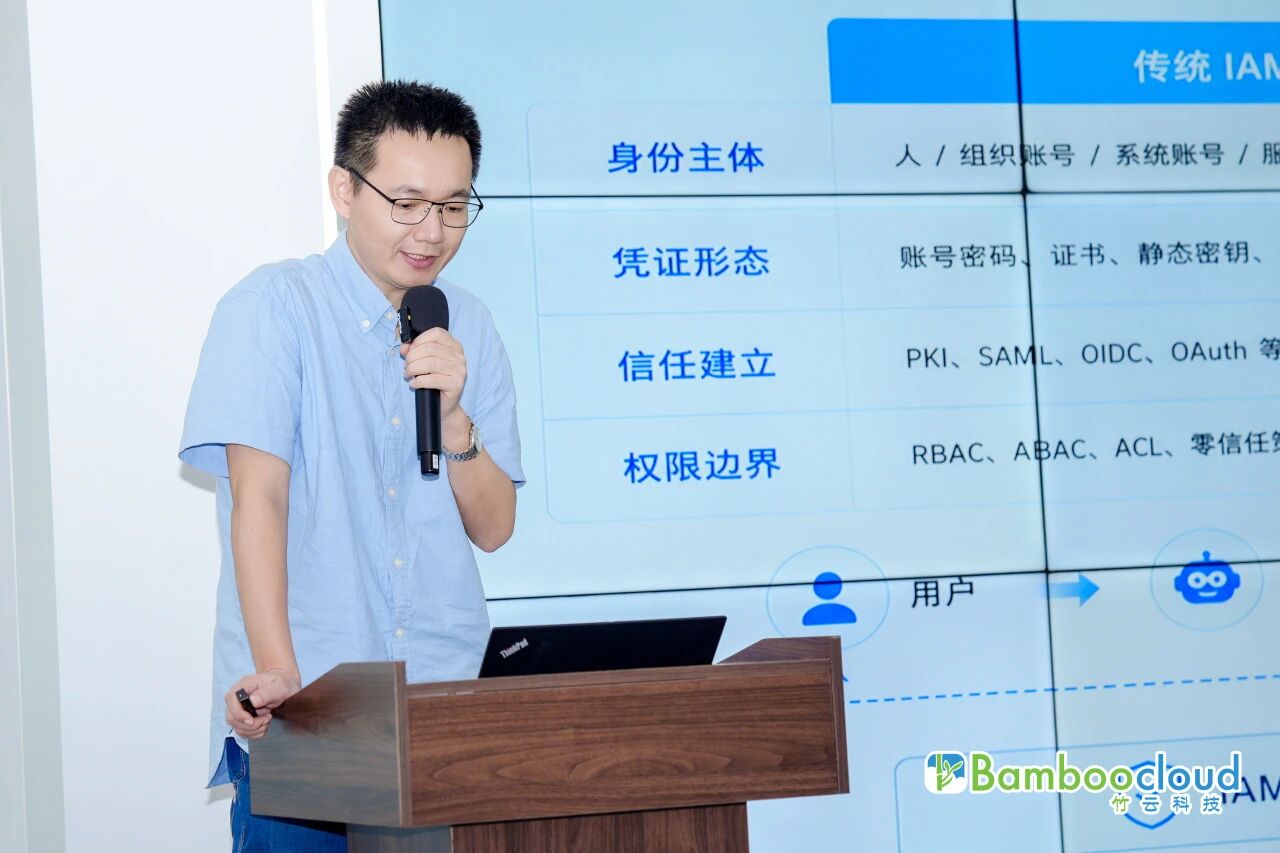
He noted that the AI industry has entered a phase of large-scale development, with a dense pipeline of standards for security, trustworthiness, and governance. The proliferation of AI is reshaping the boundaries of IAM, as identity subjects, credential forms, trust boundaries, and permission chains are all being restructured by agents. Traditional static permission models can no longer cope with dynamic trust chains, making identity, credentials, and permissions the core battlefield of AI security and the primary targets of attackers.
Therefore, IAM must evolve from an identity management platform to an "agent runtime trust control layer" covering agent identity, task authorization, tool invocation, and dynamic auditing. Organizations should incorporate task-level identity, credential governance, explicit trust, and lifecycle governance into standards and specifications. He recommended that the industry seize the current standardization window to collectively build digital trust infrastructure for the AI era.
Customer Sharing
Qiu Yan, General Manager of the Information Center at BYD Co., Ltd., reviewed various pain points in the group's enterprise-wide identity governance based on the company's large-scale implementation experience. He noted that with the large-scale application of AI agents, the industry need for unified governance of non-human identities is becoming increasingly urgent. He stated that Bamboocloud's four newly launched AI-native agent products can effectively address current enterprise agent identity control challenges, building a solid security foundation for large enterprises during large-scale AI deployment.

Strategic Cooperation Signings
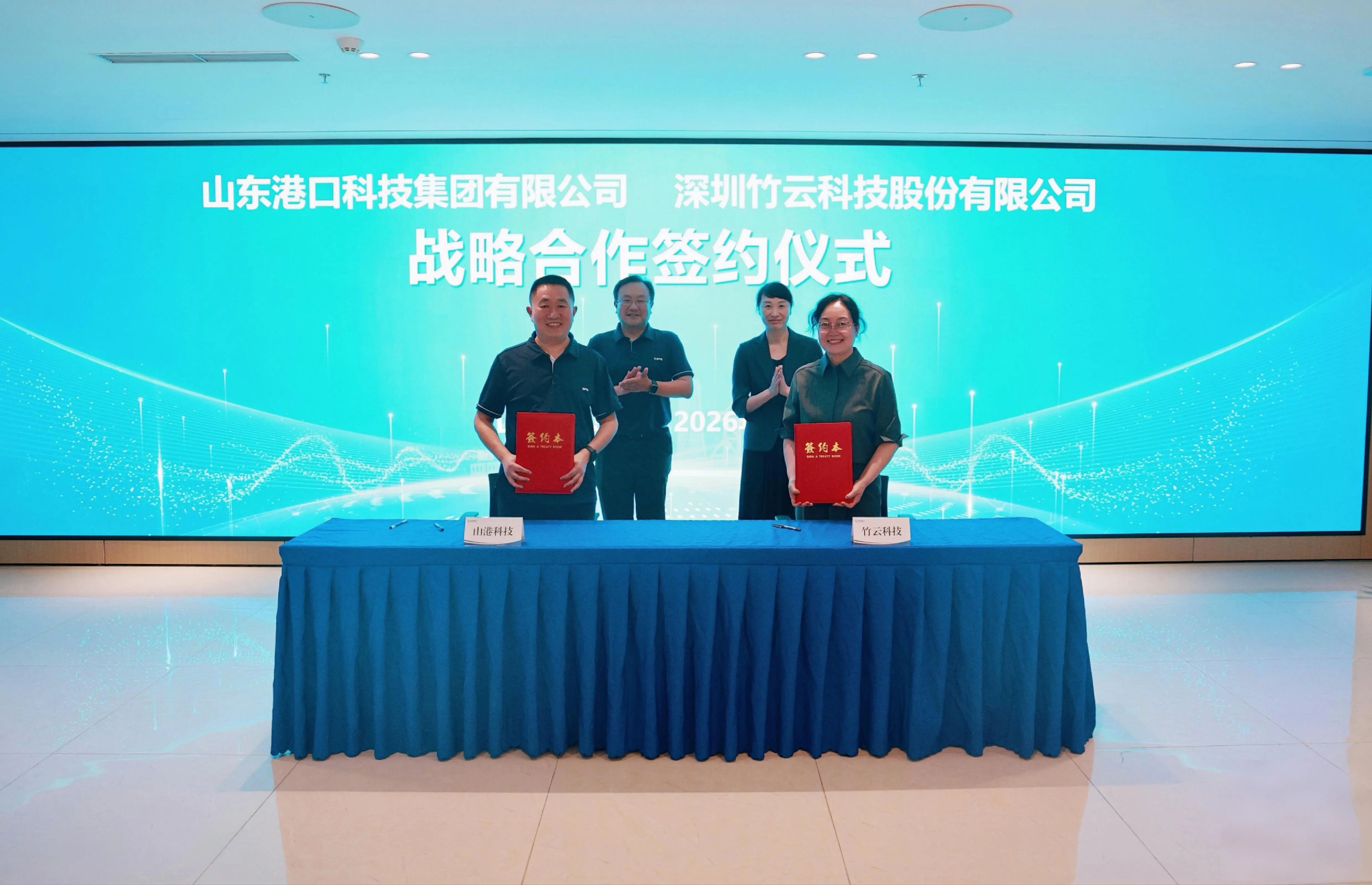
The event also featured four strategic cooperation signing ceremonies – Bamboocloud signed strategic cooperation agreements with four ecosystem partners: Skyworth Business School, Shenzhen Runshihua Zhishu Technology Co., Ltd., Macau Xianhao Electronics Technology Co., Ltd., and Shenzhen Lander Xinnuo Technology Co., Ltd. The parties will leverage their respective resources in industry, digitalization, and enterprise services to deeply collaborate, jointly advancing the deployment of AI digital trust infrastructure, delivering standardized, integrated industry solutions across multiple sectors, and building an open, symbiotic digital security industry ecosystem.

As a representative of the strategic partners, Guo Ting, Executive Dean of Skyworth Business School, shared her insights. Founded in 2022 by Mr. Huang Hongsheng, Skyworth Business School is a practical entrepreneurship learning platform open to the whole society, providing real industry resources. Leveraging Skyworth's industrial heritage, it has built a three-dimensional empowerment system serving thousands of manufacturing, new energy, and other real-economy enterprises. Drawing on the digital transformation practices of a large number of its alumni enterprises, she noted that the industry generally faces the prominent pain point of accelerated AI deployment but a lack of agent permission control and behavior traceability capabilities – a key driver behind this deep cooperation. According to the cooperation plan, the two parties will jointly host AI security study salons, organize enterprise site visits, and publish industry white papers on AI trustworthy governance, aiming to popularize agent security governance concepts across the real economy. Through two-way empowerment between industry ecosystems and digital security technologies, they will help various industries achieve compliant, large-scale AI agent deployment.

From IAM Leader to AI Trust Infrastructure Provider
Bamboocloud is a leading enterprise in China's IAM field, having built a digital identity trust product matrix covering all elements – "human – organization – device – application – data – AI agent." It serves more than 50 central SOE headquarters and over 500 large enterprise groups, with solutions widely applied in key industries including digital government, smart manufacturing, energy and power, aerospace, and finance. In 2025, the company achieved a milestone breakthrough in its overseas business, successfully competing alongside global industry giants in international markets and securing benchmark projects, marking a new level of global expansion.
The four AI-native agent products launched at this event represent Bamboocloud's strategic move to enhance digital trust infrastructure in response to the AI wave. From employee identity management (EIAM) and customer-facing access control (CIAM) to now full-spectrum identity governance for machines, agents, and IoT devices, Bamboocloud continues to consolidate its core IAM strengths while entering a new phase as an AI-era digital trust infrastructure provider.
The Shenzhen launch event, as the first stop of this new product tour, concluded successfully. Bamboocloud will subsequently host a series of special events in Shanghai, Beijing, Chengdu, and other cities, continuing to engage government and enterprise stakeholders and ecosystem partners across regions to jointly explore practical pathways for AI trustworthy governance and build a secure, controllable, and sustainable new digital ecosystem for industry transformation.