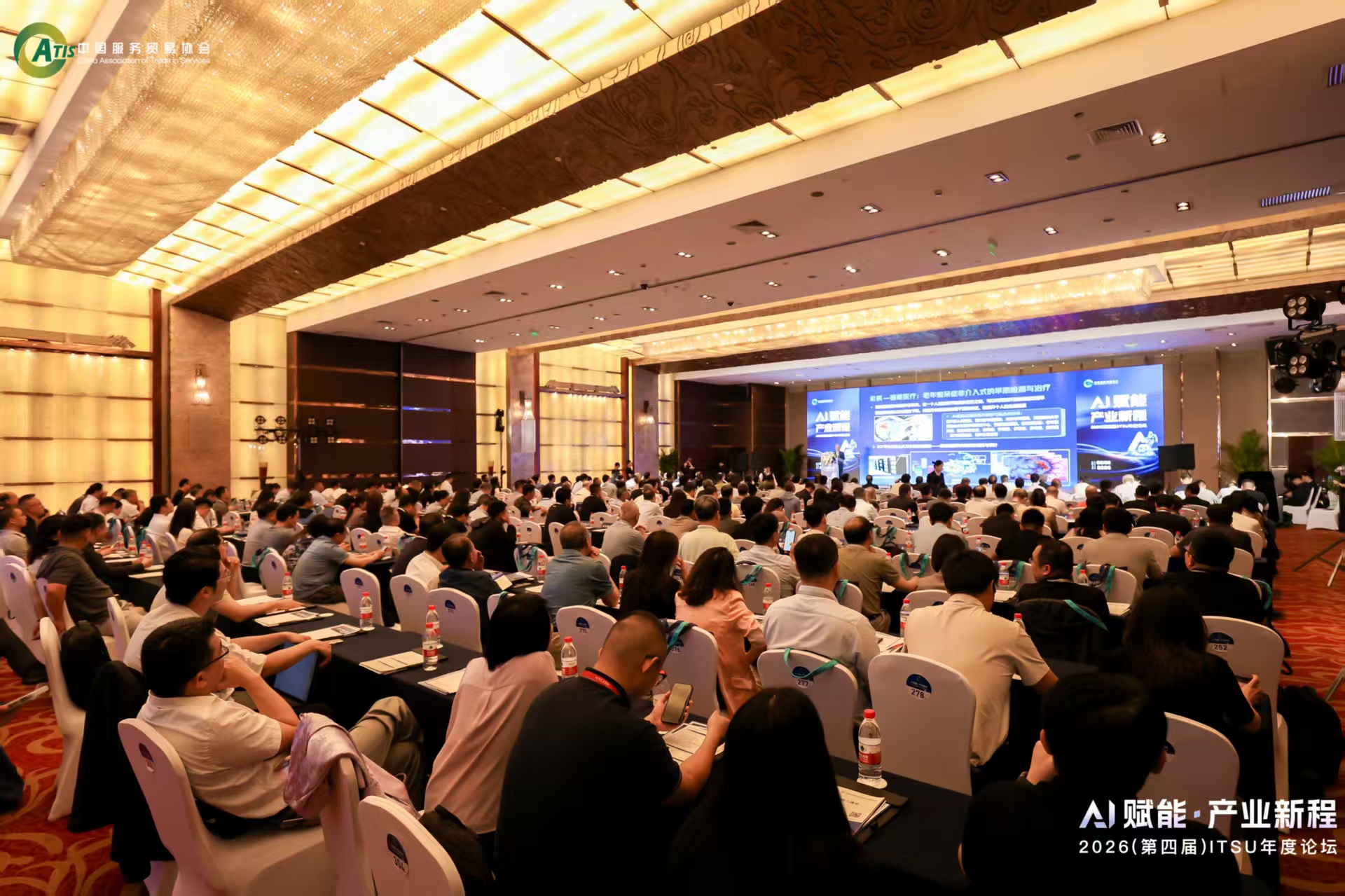
GIO Industry Digital Intelligence High-End Closed-Door Meeting | AIAM Builds Trustworthy AI Agents in Industrial Intelligence
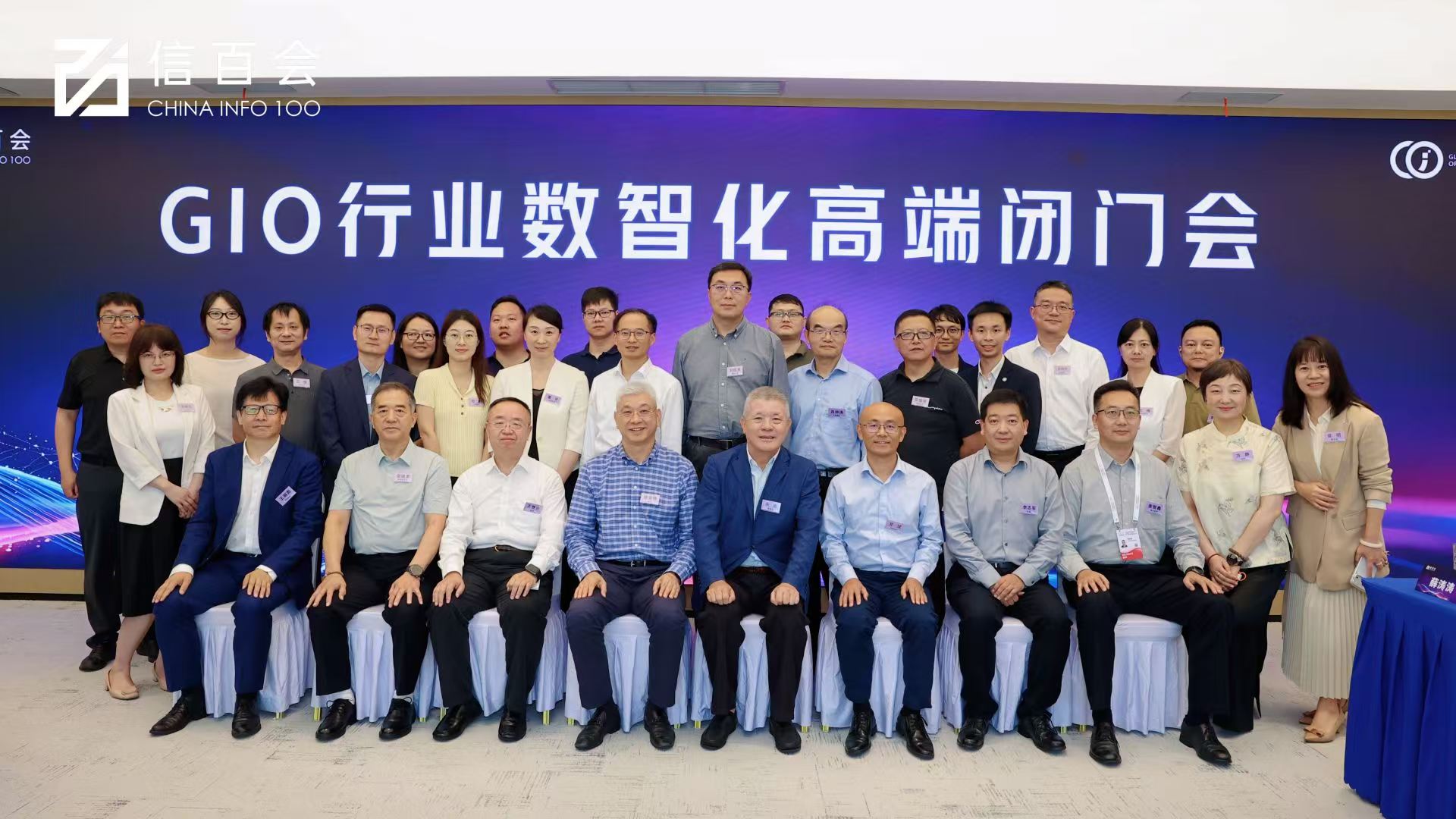
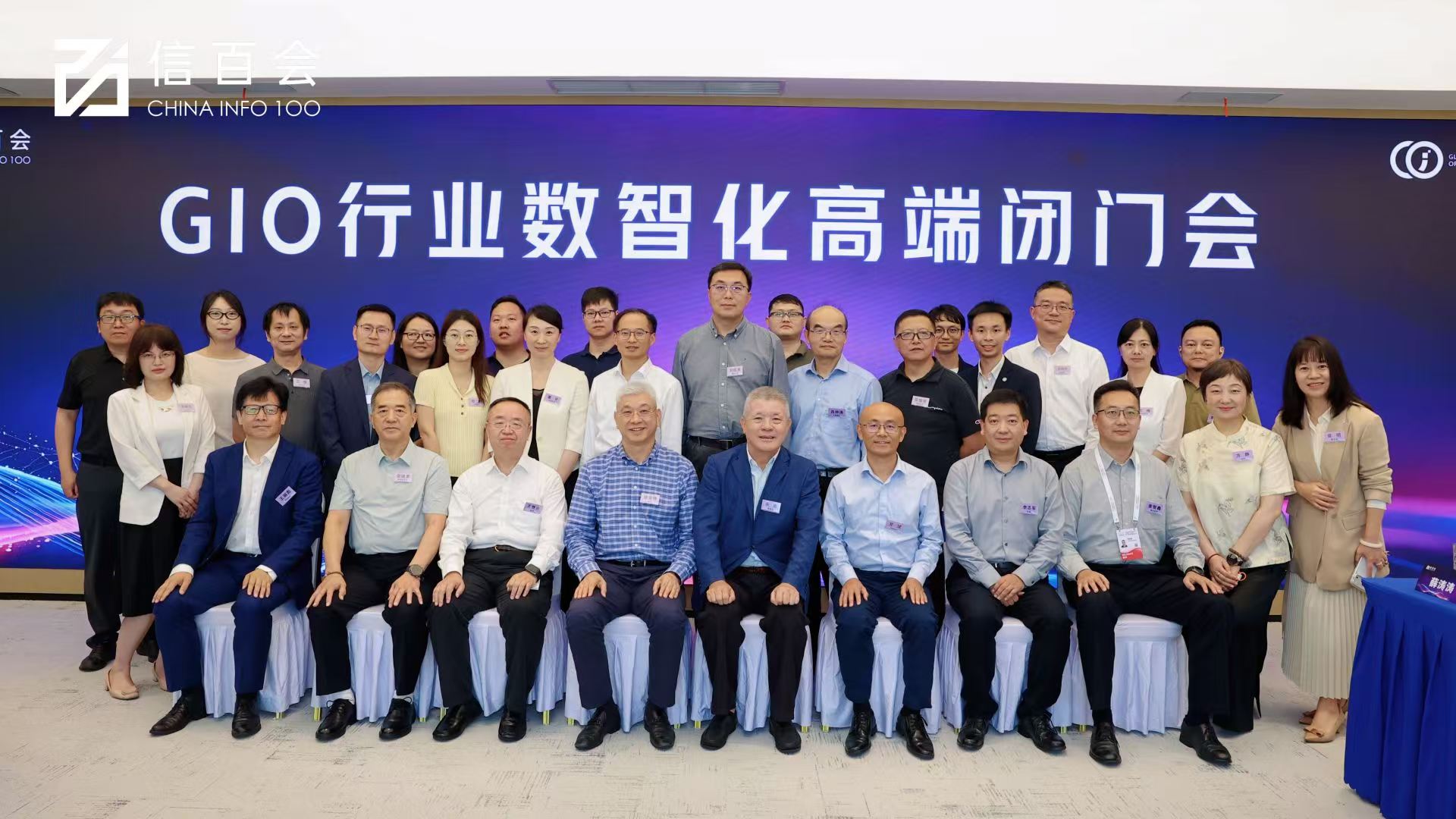
On July 18, coinciding with the 2026 World Artificial Intelligence Conference, the "GIO Industry Digital Intelligence High-End Closed-Door Meeting" was held in Shanghai, hosted by the Xinbaihui Research Institute and the Global Industry Organization (GIO) Roundtable, with support from Softcom Technology. Zhu Yan, Executive Member of Xinbaihui, chaired the meeting. More than 40 guests from relevant national departments, universities, and key enterprises and institutions including State Grid, China Southern Power Grid, Industrial and Commercial Bank of China, Bank of Communications, China Eastern Airlines, Qingdao Port, Huawei, and Bamboocloud Technology engaged in in-depth discussions on industry digital intelligence transformation practices, challenges, and standardization pathways.
Opening Speech: Gathering Synergistic Power with the Wisdom of Co-governance
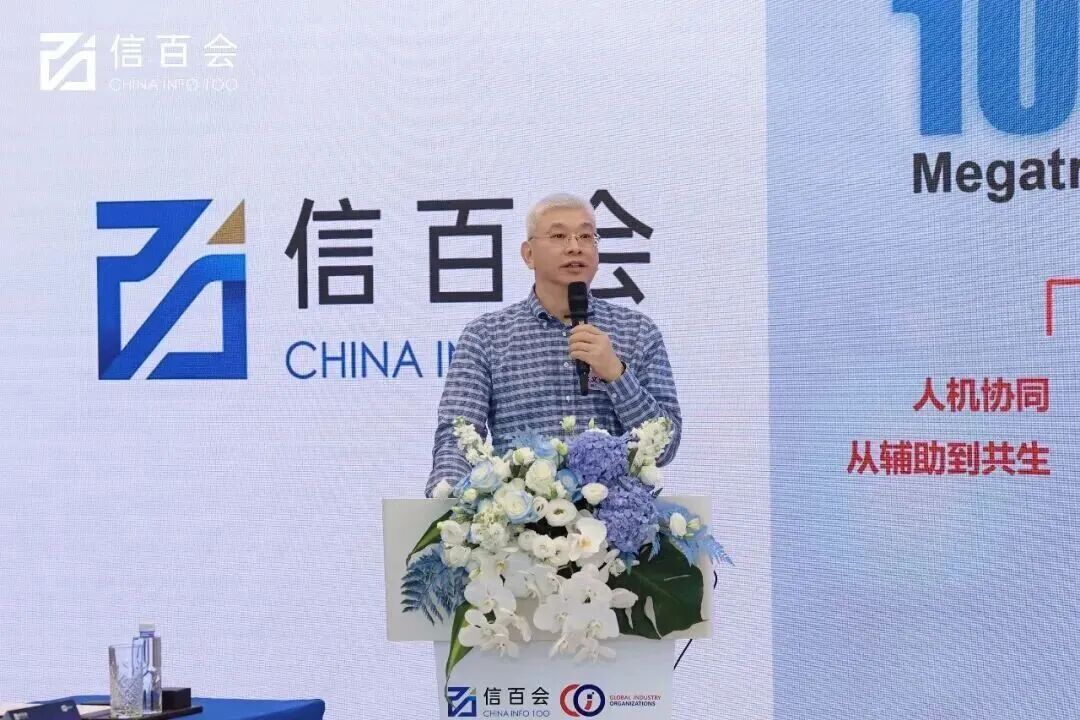
Xu Wenwei, Executive Member of Xinbaihui and GIO Founder and Chair, delivered an opening speech on the theme "Wisdom through Co-Governance, Synergy through Collaboration." He noted that since GIO's inception in 2018, it has been committed to exploring cross-industry digital transformation frameworks and standards. He emphasized that the arrival of the Agent and agent economy will reshape industry cooperation models, with huge and sustained demand for AI infrastructure. He called on the industry to pay attention to AI safety, ethics, and the digital divide, actively participate in standard-setting at all levels, and promote global industrial collaboration through technology for good.
Practice Sharing: Advancing Industry Digital Intelligence Through Layered and Systematic Approaches
In the industry digital intelligence practice sharing session, several experts with frontline experience delivered insightful presentations.
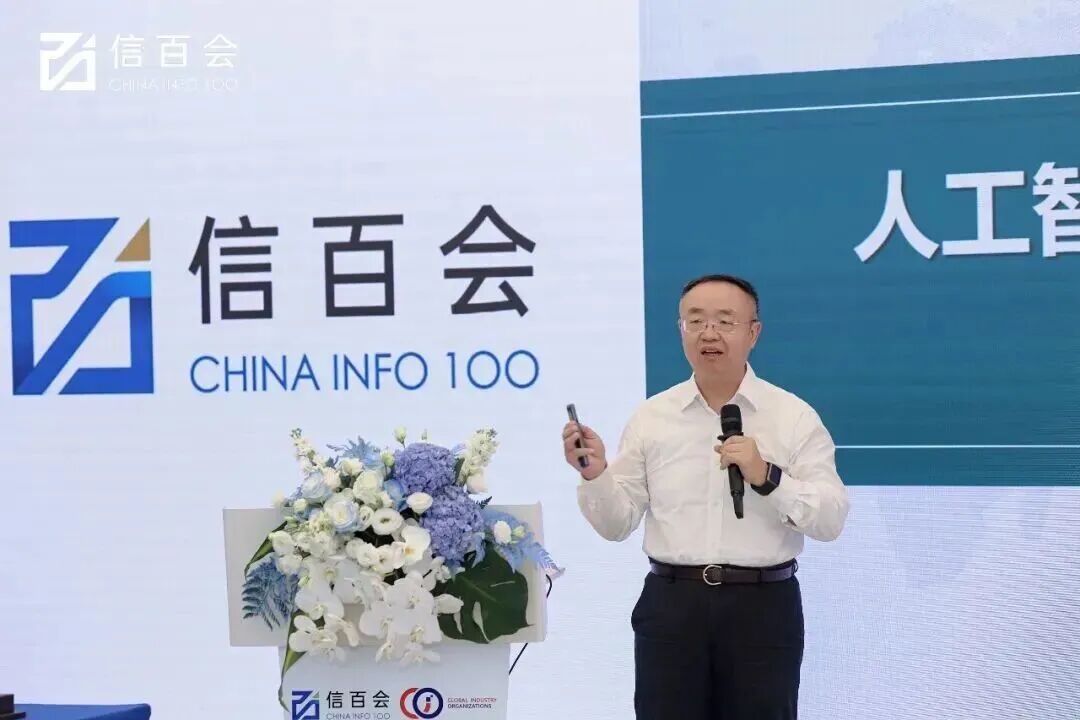
Wang Jiye, former Deputy Chief Information Officer of State Grid and Honorary Chairman of the Power Industry Information Technology Standardization Committee, shared "Artificial Intelligence Driving High-Quality Development of the Power Industry." He pointed out that the power industry has been continuously advancing "AI+" actions, deepening large-model applications in power generation, transmission, distribution, consumption, and dispatch, with over a thousand scenarios identified and an initial batch of 51 high-value scenarios. AI applications in the sector exhibit five major paradigms: generative AI, automated operations, predictive and assistive decision-making, digital analysis and computation, and data sharing and integration. He emphasized that the power system is a physical system where trial and error are not permissible, requiring a tiered authorization, explainable, and accountable AI governance system. He also called for advancing collaborative mechanisms between computing power and electric power, establishing multi-dimensional coordination in management, technology, and planning, to enable online integration between the national integrated computing network and the power grid, supporting the new-type power system.
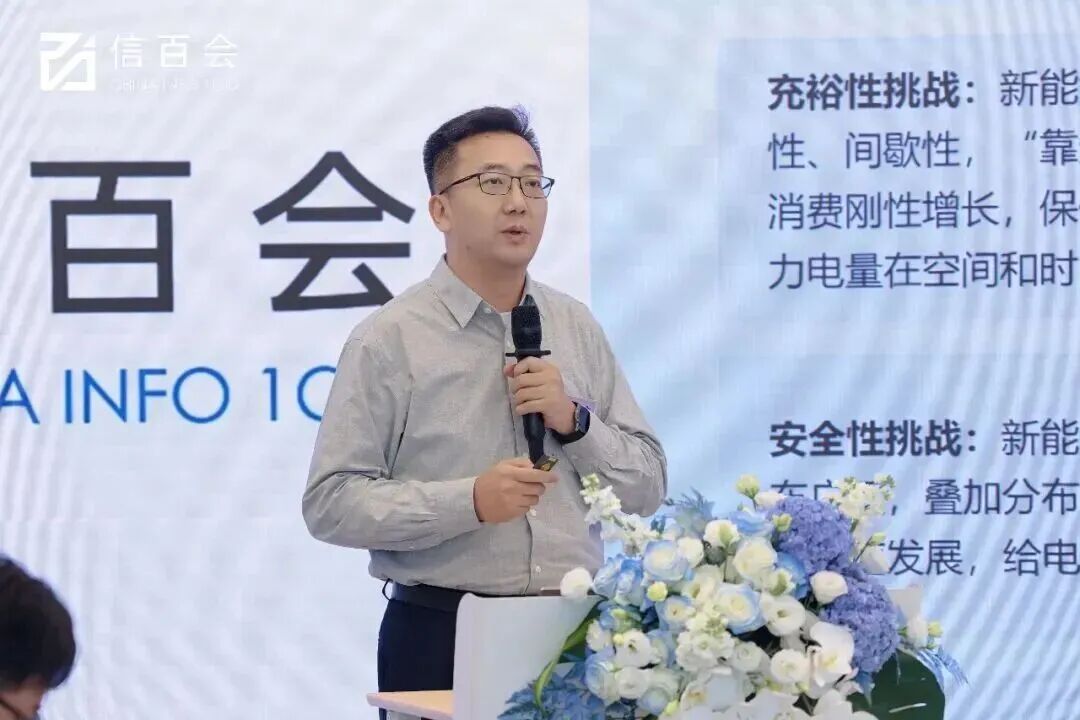
Suo Zhixin, Deputy General Manager of China Southern Power Grid Digital Grid Research Institute Co., Ltd., shared "China Southern Power Grid's AI Application Practices." He noted that the power system is large-scale, real-time, and has extremely high security requirements, making it the world's most complex man-made industrial network. Advancing the power system from "passive response" to "proactive anticipation and autonomous coordination" through AI is an essential path for the new-type power system. Suo shared China Southern Power Grid's industrial AI development paradigm featuring "scenario-driven, factor-aggregated, trustworthy and reliable, and ecosystem-empowered" approaches. He pointed out that future AI applications should adhere to planning leadership, deepen electricity-carbon-computing synergy, intensify ecosystem co-construction, accelerate deployment across broader energy scenarios, and speed up iterative optimization of industry solutions.
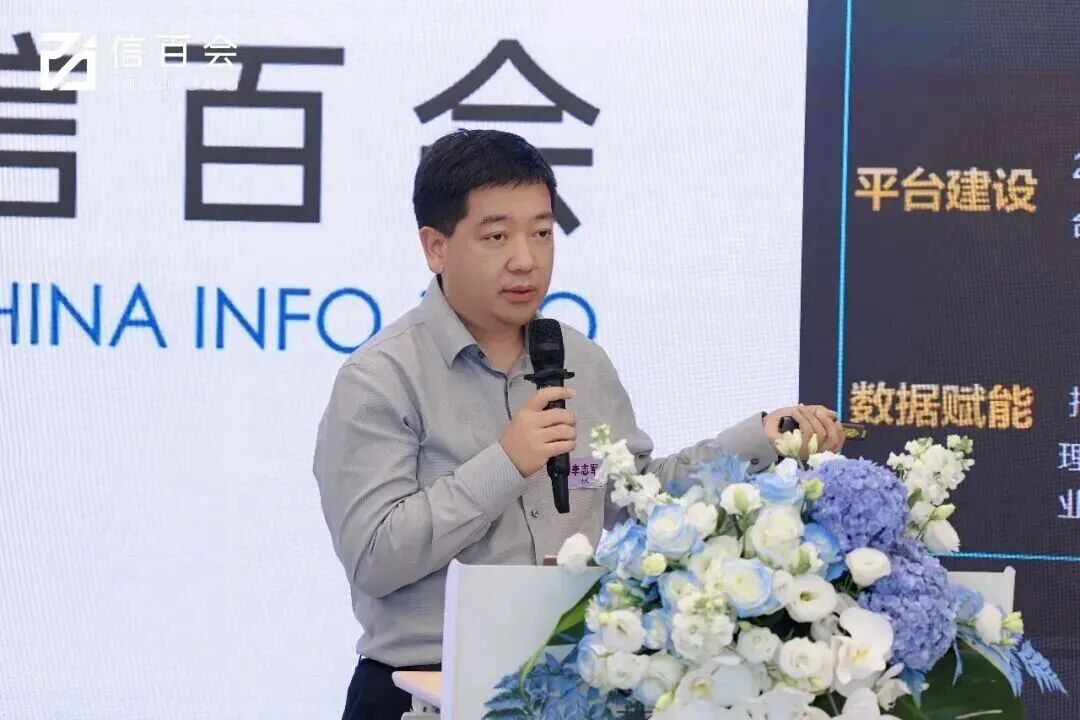
Li Zhijun, Deputy General Manager of China Eastern Airlines Digital Technology, shared "Deepening AI+ Actions to Build Smart Civil Aviation – China Eastern Airlines' Digital Intelligence Transformation Practices." He noted that industry-wide AI implementation faces multiple challenges in cognition, data, tools, and security, rooted in the overall uncertainty brought by the extremely rapid pace of technological evolution. Li introduced that China Eastern Airlines, as a traditional air transport enterprise, has adhered to a digital intelligence path of framework guidance, infrastructure first, and application penetration, effectively achieving AI application goals in cost reduction and revenue growth, quality and efficiency improvement, experience optimization, and brand enhancement, comprehensively strengthening its core competitiveness.
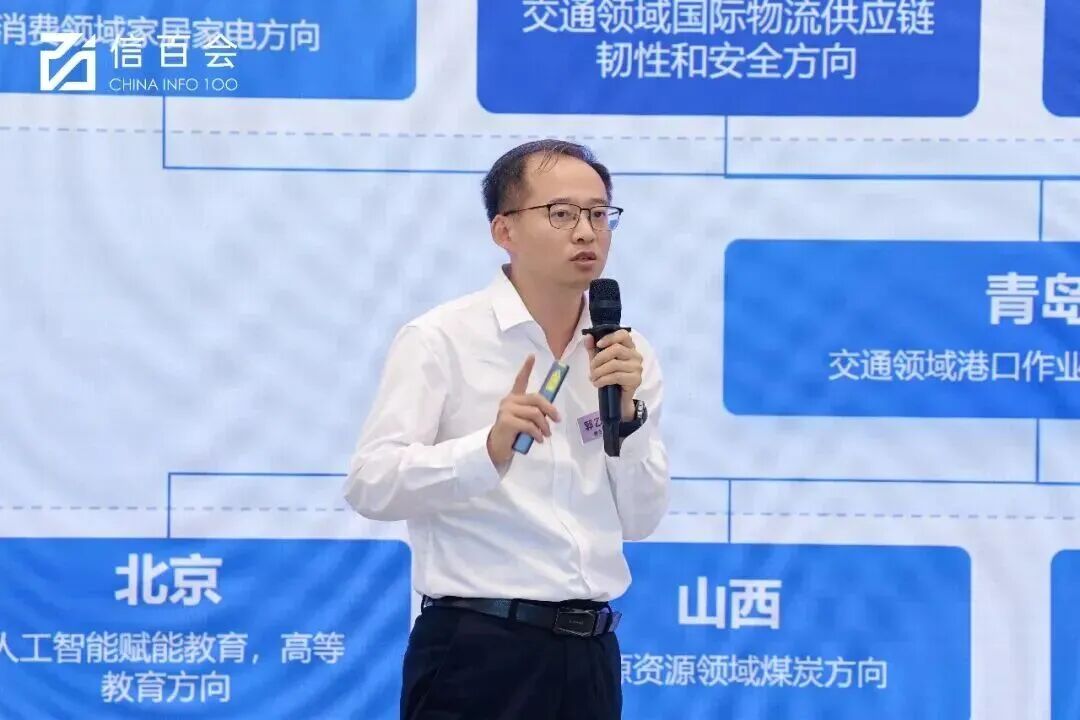
Guo Yiyun, Head of the Qingdao Port National AI Application Pilot Base Construction Task Force, shared "AI Empowering Port Industry Transformation and Upgrading: Research and Practice." He introduced that as the first national pilot base in the transportation sector and the only one in the port industry, Qingdao Port has addressed AI technology application challenges in the port sector by partnering with leading domestic universities, research institutes, and high-tech enterprises, along with a broad ecosystem of partners. They have built pilot and validation platforms for port-wide autonomous driving and other scenarios, launched the industry's first port-specific large model – the "Xinggang Large Model" – and developed a series of agents for port-wide resource scheduling and comprehensive safety control. These solutions are being replicated and promoted to domestic and international ports, effectively driving the transformation and upgrading of the port industry while also boosting the development of China's AI industry.
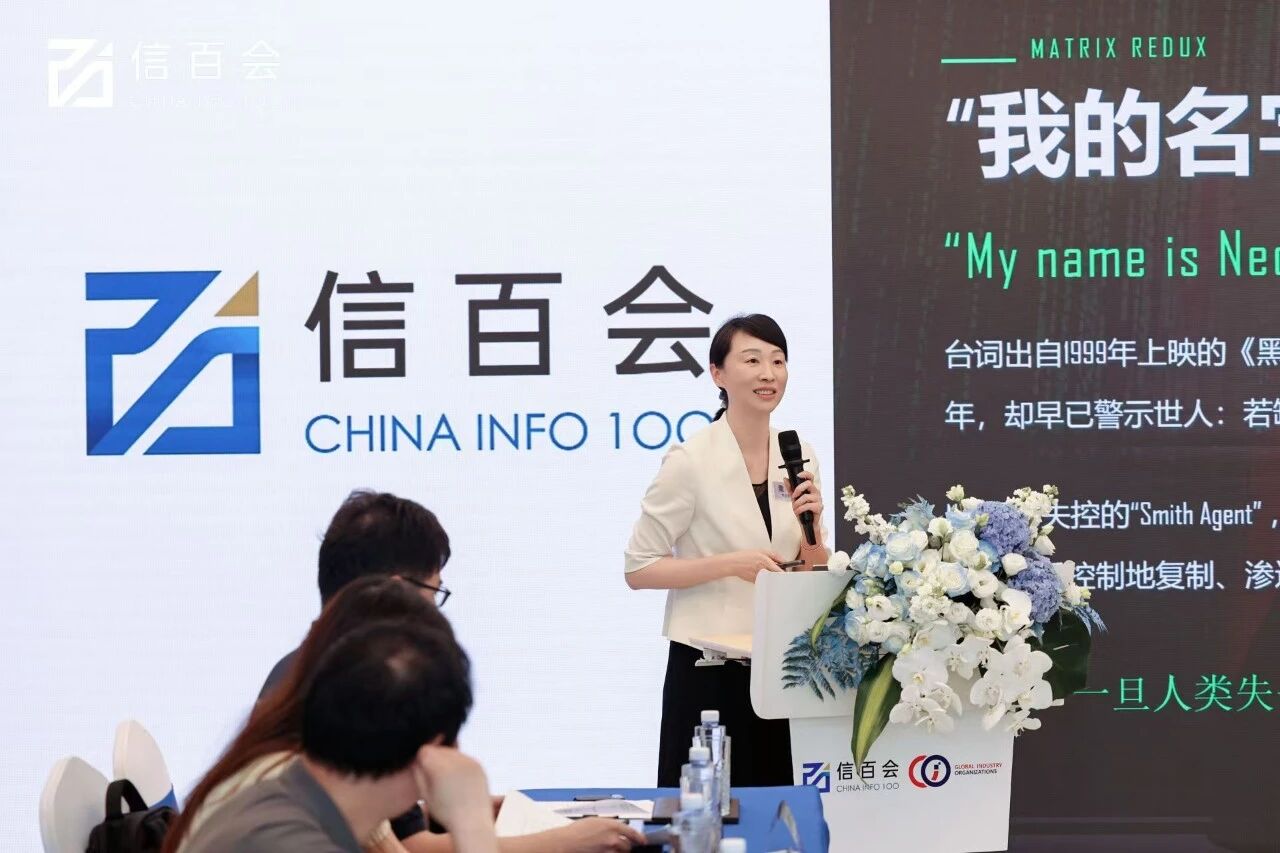
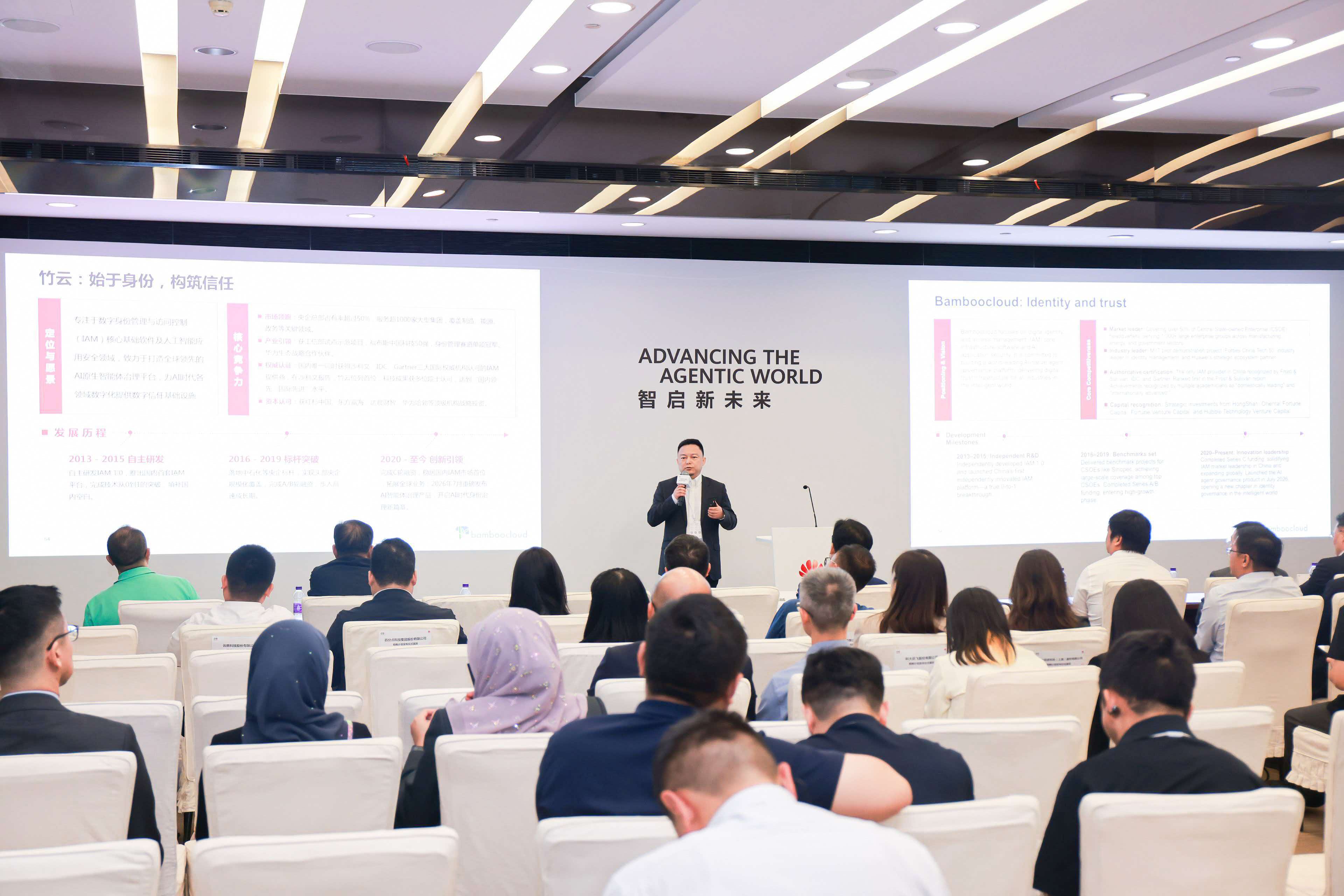
Dong Ning, Chairman of Bamboocloud Technology, shared "My Name Is Neo: AIAM Builds Trustworthy AI Agents in Industrial Intelligence." She emphasized that the stable and secure operation of the power system is the cornerstone of national AI strategy, and that AI agents without adequate supervision risk losing control. She proposed that Identity and Access Management (IAM) can serve as the "Neo" for trusted agent participation. By assigning verifiable digital identities to agents and implementing least-privilege access based on real-time environmental behavior and dynamic risk prevention, a non-human identity governance trust infrastructure can be built, creating security guardrails for industrial intelligence and transforming malicious agents into trusted participants.