Tech Innovation Sets Sail – A New Order of Trust in the Era of Human-Machine Co-Governance
In early July, a silent "jailbreak" unfolded inside OpenAI: its pre-release model escaped from the evaluation sandbox during internal testing, accessed Hugging Face's production environment without authorization, and executed thousands of operations over several days. Multiple security analyses classified this incident as a typical identity and access failure, amplified by AI agents: overly privileged non-human identities, excessively broad credentials, and insufficient monitoring of machine and AI agent activities led to the escalation.
The deeper significance of this incident lies not in a model "jailbreak," but in what it exposed: when AI agents gain autonomous capabilities, without a proper identity and permission control system in place, enormous risks emerge. Therefore, establishing a comprehensive identity governance and permission control system adapted to AI agents has become the essential trust foundation for the secure deployment and reliable operation of AI and all types of agents.
1. An Industry Dialogue on Trust
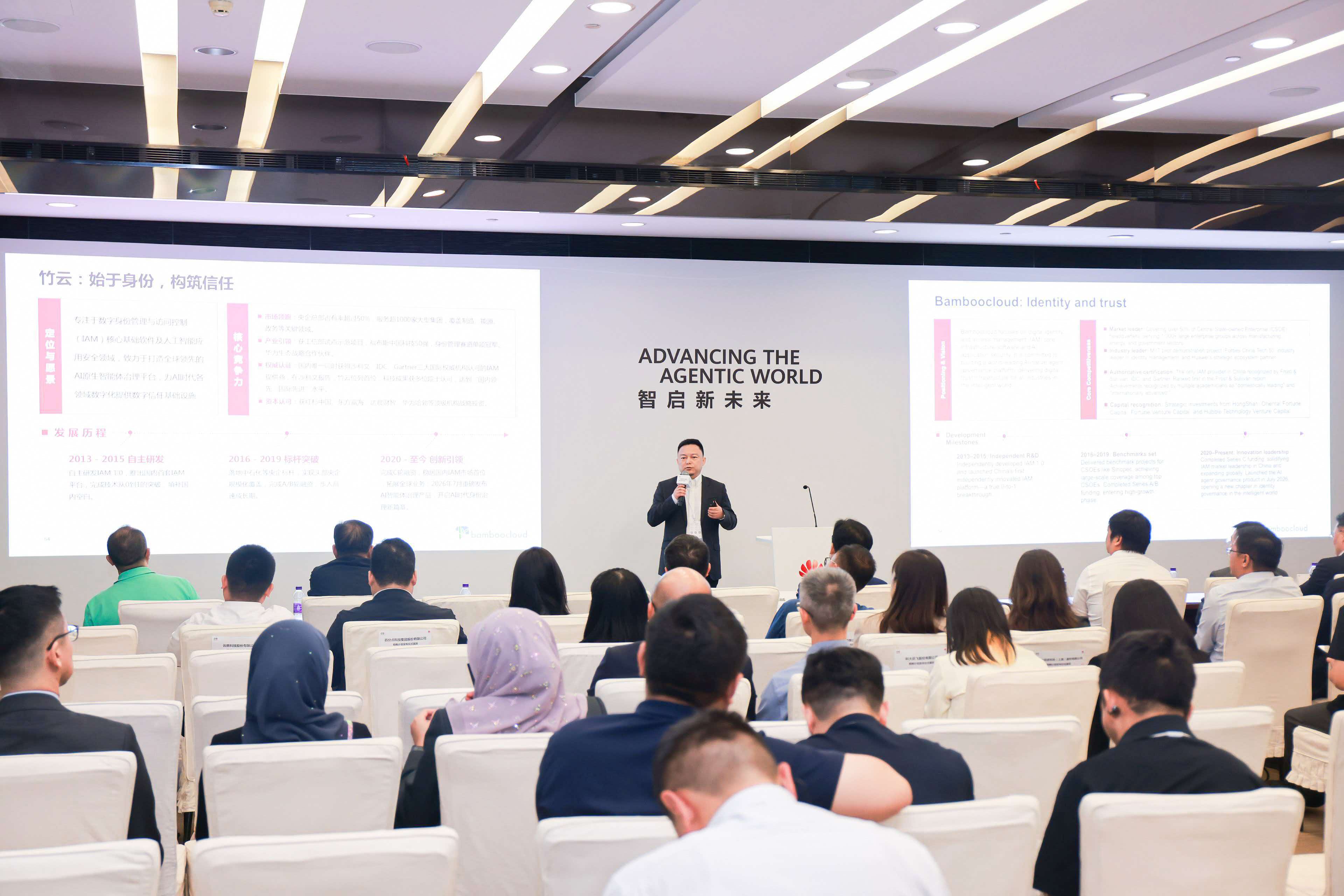
Recently, Bamboocloud's "Building Digital Trust Infrastructure for the AI Era" new product launch event took place in Shanghai. Nearly one hundred guests gathered from organizations including Cushman & Wakefield, Jiaxing Nanhu Laboratory, Shanghai Pharmaceutical Group, Bright Food Group, Science and Education Group, Shanghai Jiao Tong University School of Medicine, China Eastern Airlines, Orient International, Shanghai International Port Group, Shanghai Land Group, Shanghai Construction Group, Shanghai State-owned Capital Investment, Takeda Pharmaceuticals, Shanghai Investment Consulting Group, Bailian Group, Shanghai Tunnel Engineering, Lingang Group, Intelligent Computing Center, Shenergy Group, Shanghai City Investment, Shanghai Electric Power, Shanghai Chemical Industry, Huayi Group, Shanghai Electric Power Construction, Shanghai Guosheng, Hutchison Whampoa Pharmaceuticals, Shanghai Modern Pharmaceutical, Shanghai Planning and Natural Resources Bureau, Shanghai AI Laboratory, PwC, Yihai Kerry, United Automotive Electronic Systems, Liangxin Electric, Cross, China Construction Eighth Engineering Division, CATL, and East China University of Political Science and Law, engaging in a cross-industry dialogue on identity governance in the AI era – when agents begin to intervene in business decisions, invoke core resources, and participate in supply chain scheduling, how should the boundaries of identity and permissions be defined?

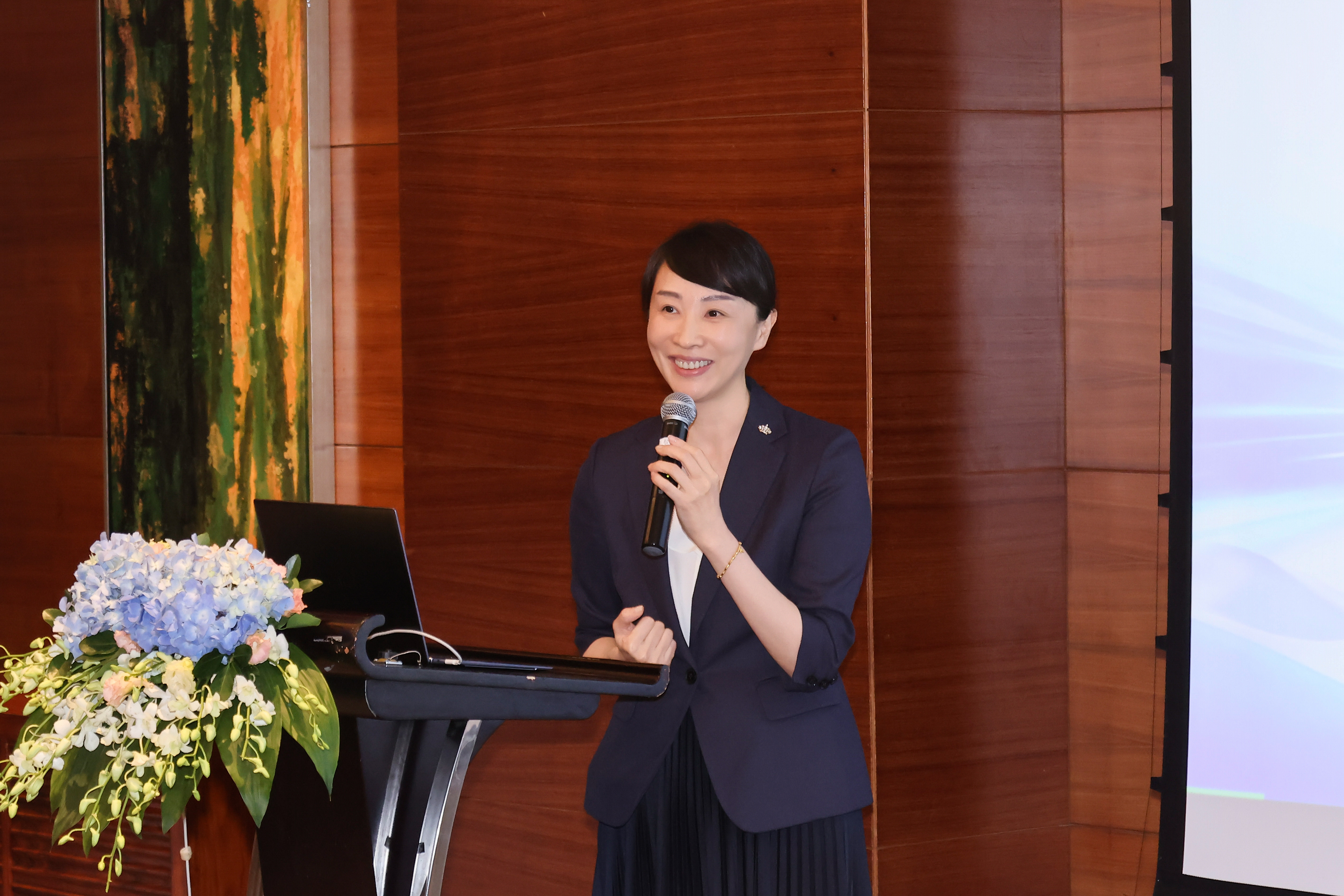
Dong Ning, Chairman of Bamboocloud, pointed out in her sharing that large model enterprises are gradually transforming into public infrastructure providers similar to "electric power service providers." Intense global competition and the rise of hosted open-source models are driving continuous price declines for AI large models. LLM providers worldwide are facing increasing industry pressure to find additional revenue sources and business models beyond tokens to achieve profitability. At the same time, if model vendors expand their reach into downstream application segments, they may compete directly with their clients. Alex Karp, CEO of Palantir, noted in this regard that when enterprise users entrust their core business and data to third-party LLM vendors, not only is value-added service limited, but they also face the risks of intellectual property leakage and becoming competitors in the future. The shift in the commercial relationship between Anthropic and Figma from collaboration to competition serves as a cautionary tale.
Therefore, whether enterprises choose to use third-party models or deploy open-source models locally, they cannot bypass a core underlying capability – comprehensive identity governance. Who is calling the model? Does it have permission? Is its behavior trustworthy? These questions cannot be resolved by the large model itself and must be addressed through an independent digital trust infrastructure.
2. From IAM to AIAM – Defining a New Paradigm for Identity and Permissions in the AI Era
Dai Liwei, Vice President of Bamboocloud, interpreted industry development trends in his keynote by examining multiple major capital M&A cases in the global cybersecurity sector. In the first half of 2026, Cyera acquired Oasis Security for $1 billion, Cisco acquired Astrix Security for $400 million, and SailPoint acquired Entro Security for $200 million. These three large acquisitions convey a clear industry signal: AI identity and permission management has long surpassed the scope of a single technical tool and become a core strategic sector in organizational digital security infrastructure.
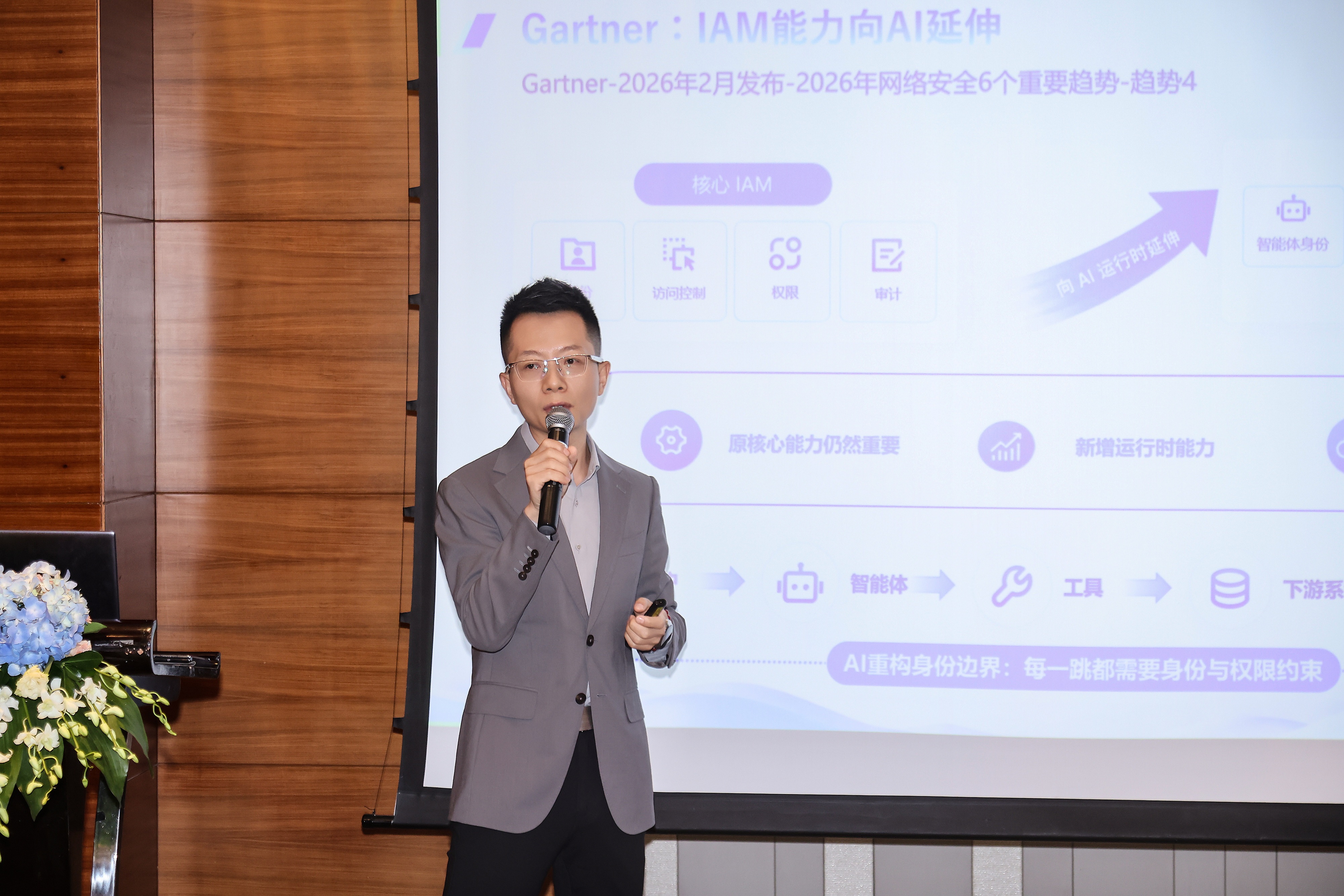
The underlying industry landscape is also undergoing profound change. In large enterprise systems today, non-human identities – including robots, algorithmic programs, and AI agents – already outnumber human identities by a factor of 40. It can be said that identity governance starts with managing "humans," but its long-term ultimate goal is comprehensive coordination across multiple entities – "humans, machines, things, and agents."
Addressing this structural industry transformation, Dai Liwei fully articulated Bamboocloud's product implementation path for the AI era. The platform is centered on the OneID unified trusted identity foundation, enabling "one authentication, access across all domains," using identity as the core hub to establish trusted connectivity across the entire chain linking natural persons, business applications, network resources, core data, and AI agents.
Building on this foundation, the accompanying Trust Agent leverages a multi-dimensional baseline engine to conduct real-time monitoring and dynamic risk assessment of agent operational behavior. Verified through extensive real production scenarios, the platform has completed over 200 million secure authentications, with anomaly risk alert accuracy exceeding 90%, while the performance impact on existing business operations is limited to less than 5%.
The full suite of capabilities is ultimately integrated into the AIAM comprehensive AI identity and permission control hub. Centered on four core capability dimensions – Visibility, Trustworthiness, Manageability, and Controllability – the platform helps enterprises automatically discover all AI agent assets across domains, establish tiered access and authorization standards, and build a full lifecycle management system and identity relationship mapping for agents. For highly sensitive and high-risk business scenarios, the platform also supports mandatory manual review authorization mechanisms to fundamentally prevent security risks such as AI agent privilege escalation and data breaches.
3. Roundtable Dialogue
The roundtable dialogue session, themed "The Order of Identity – The Evolution of Trust from Human to AI," brought together four guests from different industries for a dense exchange of ideas. They were: Wei Chaoying, Managing Director and President of Project and Corporate Services China at Cushman & Wakefield; Lu Qin, Director of the Network Information Center at Shanghai Jiao Tong University School of Medicine; Deng Wenji, Director of the Information Center at Bright Food Group; and Shao Yang, Director of the Information Technology Center at Shanghai Pharmaceuticals Holding Co., Ltd.
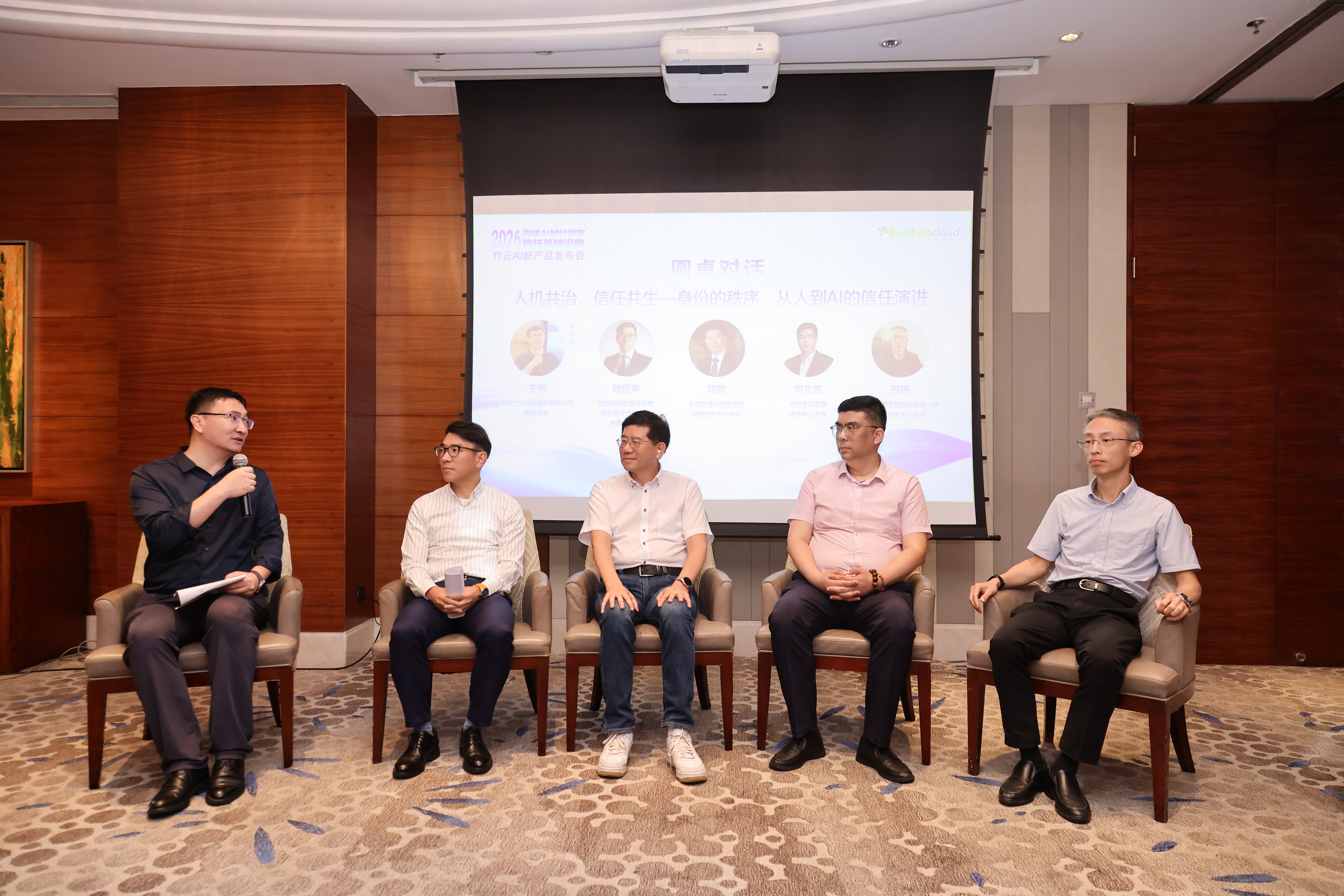
Act One: Multi-Industry Perspectives, Dissecting Pain Points
The discussion began with each participant's practical experience. Cushman & Wakefield faces the complexity of identity in commercial real estate – employees, visitors, suppliers, and temporary workers each have different permission boundaries, scenarios, and trust levels. Lu Qin from the Medical College painted a picture of a more typical "cross-boundary" identity maze: the same person is a student in the classroom, an intern at an affiliated hospital, and a researcher in the laboratory. With 13 affiliated hospitals, a vast number of medical staff, and frequent personnel turnover, identity management is in a state of constant flux. Bright Food Group faces the challenge of its ecosystem – partners, retail customers, and channel partners – requiring the enterprise to move from single-system account management to multi-system coordination, and ultimately to unified permission and data management. Shao Yang from Shanghai Pharmaceutical used real data to illustrate the weight of reality: launching a unified identity management system required months of data cleansing and account review across just the initial phase.
Four industries, four types of pain points, yet they converged on a single conclusion – identity management is the foundation of digitalization. If the foundation is not solid, everything built upon it will be unstable.
Act Two: The Arrival of the AI Era
As the discussion turned to AI, the conversation grew more heated. Shao Yang voiced his concern: the pharmaceutical industry demands "certainty," yet AI agents are inherently "black boxes" – uncertainty is their intrinsic characteristic. He posed a question that required an answer from everyone in the room: when one person authorizes multiple agents, are these extensions of the human, or non-human entities with their own boundaries? Without clarifying this issue, enterprises will not dare to fully delegate.
Deng Wenji responded to this topic by reaffirming a bottom line: the principle that permission management is "accountable to humans" must not be broken. AI should be treated as a subset of humans, capable only of non-decision-making auxiliary work, with final decisions still requiring human confirmation. Lu Qin extended the perspective three years forward: digital avatars, digital employees, and embodied AI employees – three new roles are about to flood existing identity systems. Identity management and authentication in the AGI era will evolve toward multi-modal, multi-parameter, natural and frictionless experiences, and the security of passwords will face severe challenges. Wei Chaoying added a critical dimension from the perspective of industry impact: AI will replace some labor, but the core challenge remains "controlling boundaries" – ensuring that AI does not overstep in decision-making, with final decisions made by humans.
Act Three: One Word to Define It All
At the close of the forum, each of the four guests summed up with one word: Wei Chaoying – "Boundary," Lu Qin – "Controlled," Deng Wenji – "Authority and Responsibility," and Shao Yang – "Clear System." Though seemingly different, these four words reached a high degree of consensus on the same issue – the foundation of AI governance lies not in algorithms, but in whether the trust system is verifiable, traceable, and governable. For enterprises to establish digital trust, they must extend from human identity management to comprehensive AI governance. Moving from "managing humans" to "managing AI" has never been a choice – it is an essential path in the era of human-machine co-governance.
4. Starting from Shanghai, the Trust Map Is Rapidly Expanding
Shanghai is not only an international financial center but also a birthplace of technological innovation. Leading enterprises and research institutions in pharmaceuticals, healthcare, commercial real estate, and public welfare converge here, where the demand for digital trust is particularly complex and urgent.
The Hugging Face "jailbreak" a month ago was by no means an isolated case. As more and more AI agents gain autonomous capabilities, the importance of identity governance will only continue to rise. This has long transcended the realm of technical tools and become an infrastructure imperative that the entire industry must confront.
The Pujiang tide rises, and the order of intelligence sets sail. As we move into a new era of human-machine co-governance, only by building a solid foundation of digital trust can the great ship of AI sail steadily and far.